Niitit
Ammattimaisena valmistajana Kiinassa Nuote Metals haluaa tarjota sinulle niitejä. Ja tarjoamme sinulle parhaan myynnin jälkeisen palvelun ja oikea-aikaisen toimituksen.
Mikä on niitti?
Niitti on pysyvä mekaaninen kiinnike, jota käytetään kahden tai useamman materiaalin yhdistämiseen. Niitit työstävät metallitappia kohdistettuun reikään ja muuttavat pään muotoa luoden vahvan, turvallisen ja kestävän liitoksen. Toisin kuin väliaikaiset kiinnikkeet, kuten ruuvit, niitit eivät nojaa kierteisiin, vaan muodostavat apysyvä yhteys, joten ne sopivat ihanteellisesti sovelluksiin, jotka vaativat suurta lujuutta, kestävyyttä ja tärinänkestävyyttä.
Niittien luokitus
Niitit luokitellaan tyypillisesti pään muodon, onttoisuuden asteen tai materiaalin mukaan.
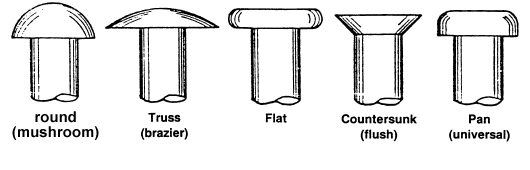
Pään muodon perusteella niitit voidaan luokitellalitteät niitit, pyöreäpäiset niitit, upotetun pään niitit, sienipään niitit, yleispäiset niitit, ristikkopään niititjne.
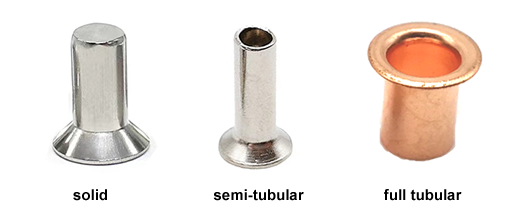
Niitit voidaan luokitella onttoasteen perusteellakiinteät niitit, puoliputkimaiset niitit, tai full putkimaiset niitit.
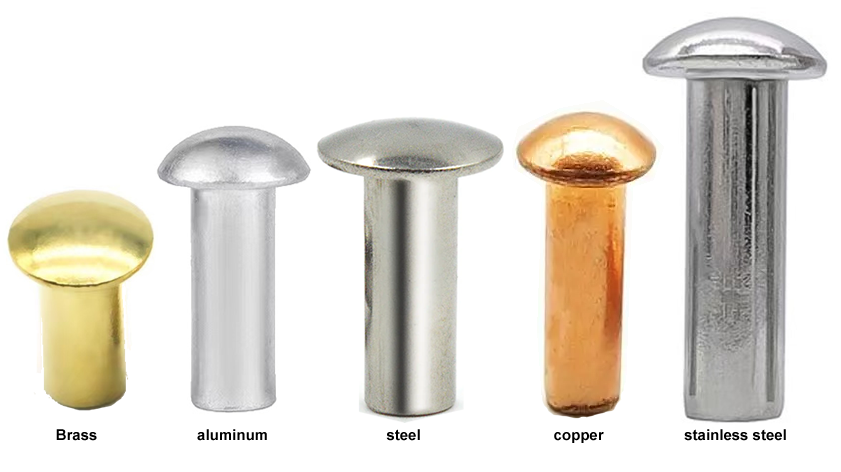
Materiaalin perusteella niitit voidaan luokitellamessinki niitit, ruostumattomasta teräksestä valmistetut niitit, teräs niitit, alumiiniset niitit, kupariset niititjne.
Mitä pintakäsittelyjä niiteille on saatavilla?
Niittipinnat käsitellään tyypillisesti ruosteenestokäsittelyillä, pääasiassa galvanoimalla, mukaan lukiensinkitys, nikkelipinnoitus, kromipinnoitus,tinapinnoitus, kultapinnoitus, jahopeointi. Galvanointi on yleinen ruosteenestomenetelmä niiteille. Se levittää niitin pintaan pinnoituskerroksen fysikaalisilla tai kemiallisilla menetelmillä. Pinnoite ehkäisee tehokkaasti korroosiota ja ruostetta ja antaa samalla myös tietyn esteettisen vaikutelman.
Toinen erityinen pintakäsittelymenetelmä onpään pinnoite. Pään pinnoitus suoritetaan niitin galvanoinnin jälkeen. Tämä mahdollistaa niitinpään eri värejä, jolloin saadaan esteettisesti miellyttävä lopputulos.
Alumiininiittejä ei voi galvanoida, mutta ne voidaan anodisoida. Anodisointi mahdollistaa myös erilaisia värivaihtoehtoja, mutta yksikköhinta on korkeampi kuin galvanointi.
Niitin pinnan ruostesuojaus on ratkaisevan tärkeää, mikä pidentää tehokkaasti niitin käyttöikää ja varmistaa turvallisen liitoksen. Erilaiset ruosteenestomenetelmät sopivat erilaisiin ympäristöihin ja sovelluksiin, joten valinta tulee räätälöidä tilanteen mukaan.
Tuotteet
- View as
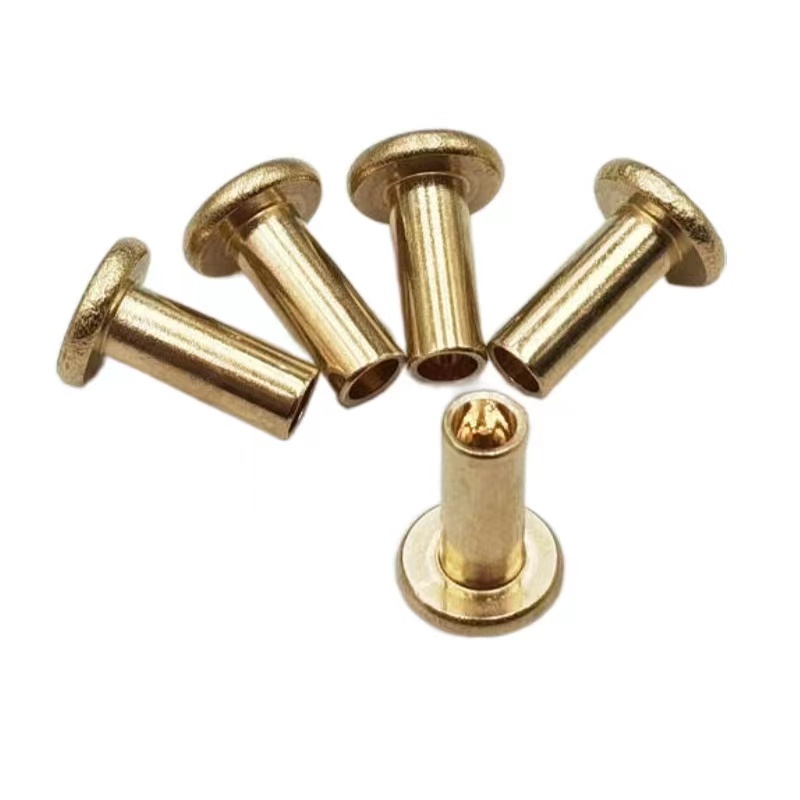
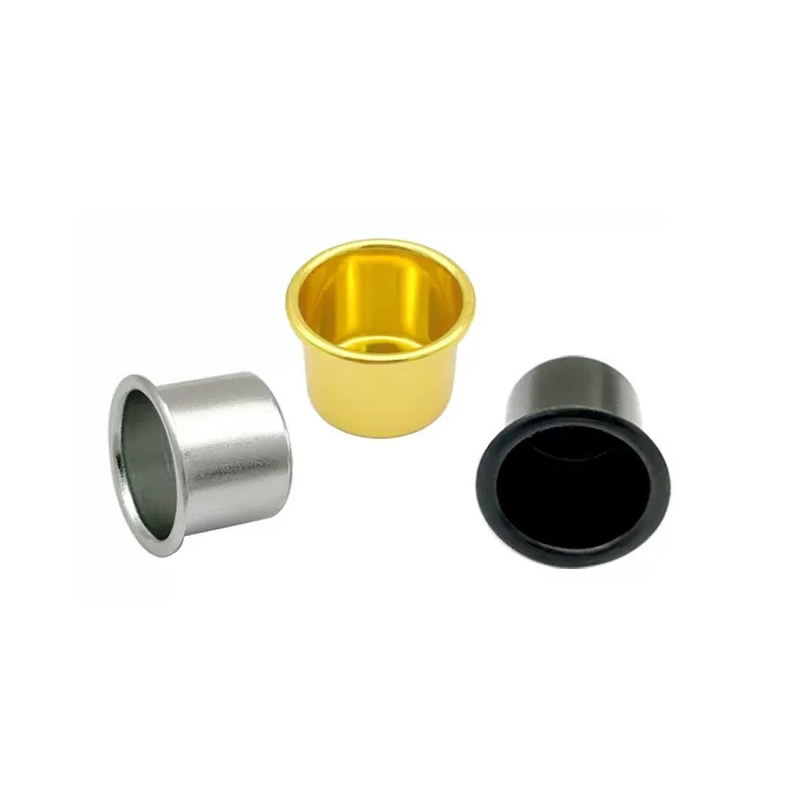
Ristikon pään puoliontot niitit
Nuote Metals toimittaa ristikkopään puoliontot niitit – levein päämalli, jonka pään halkaisija on 2,2–2,8 kertaa varsi. Suunniteltu estämään pehmeiden materiaalien, muovien, komposiittien ja ohuiden metallilevyjen läpiveto. Saatavana 0,8–8,0 mm:n varren halkaisijat, hiiliteräs, ruostumaton teräs, messinki, kupari ja alumiini, useilla viimeistelyillä.
Lue lisääLähetä kysely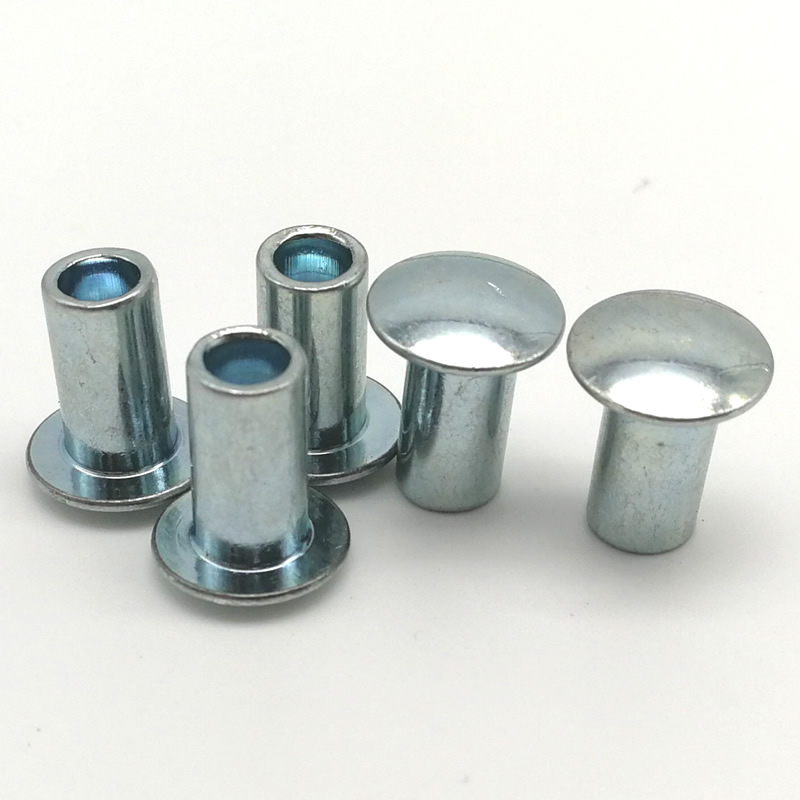
Teräksiset puoliontot niitit
Nuote Metals toimittaa teräksisiä puolionttoja niittejä – kiinnikkeitä, joissa on matala ontelo pyrstössä, joka vähentää säätövoimaa jopa 70 % umpiniittejä vastaan ja säilyttää 80–90 % kiinteän niitin lujuudesta. Kutsutaan myös puoliputkimaisiksi tai puoliksi ontoksi niiteiksi. Valmistettu vähähiilisestä teräksestä, saatavana 0,8–8,0 mm:n varren halkaisijalla, kuudella päätyylillä ja useilla viimeistelyillä. Kustannustehokkain vaihtoehto puolionttoniittien perheessä.
Lue lisääLähetä kysely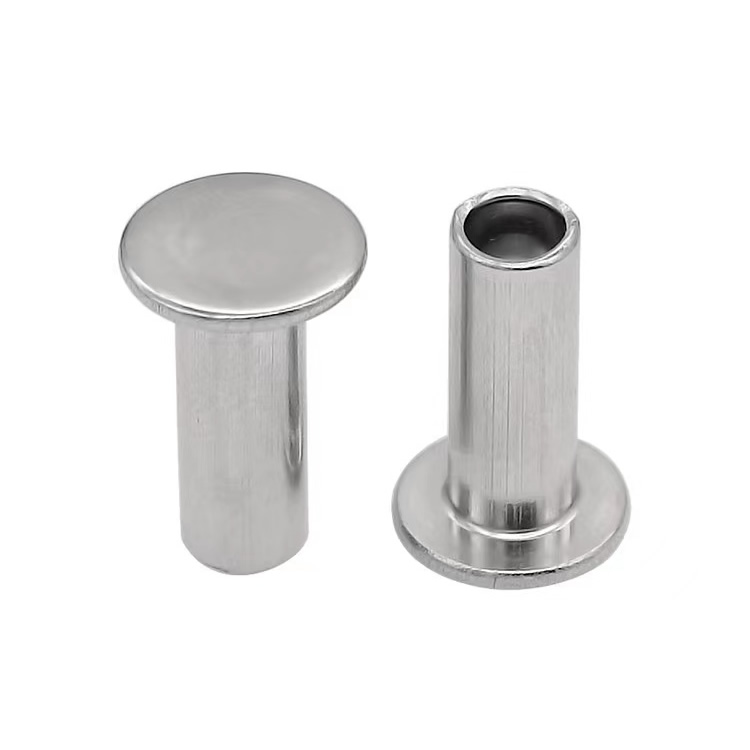
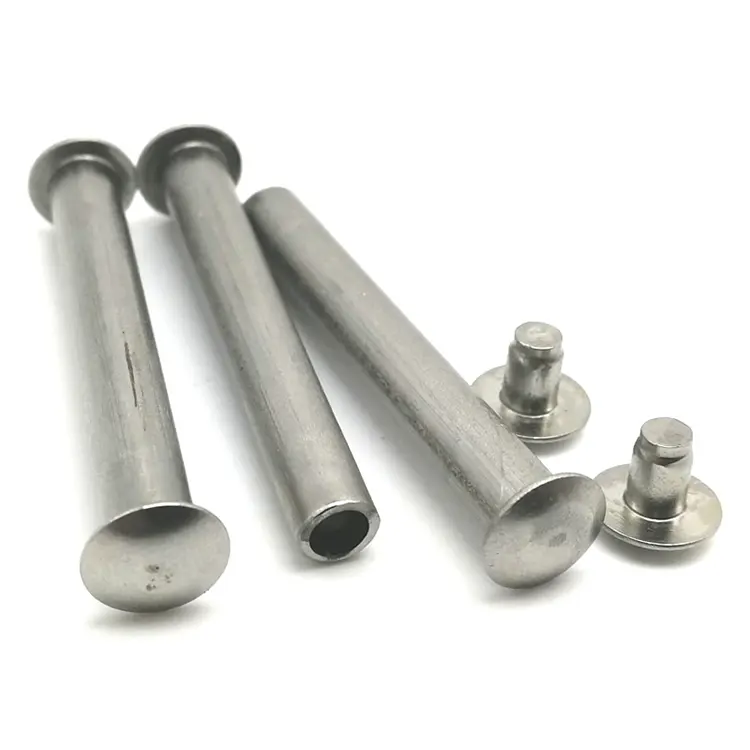
Alumiiniset puoliontot niitit
Nuote Metals toimittaa alumiinisia puolionttoja niittejä – kiinnikkeitä, joissa on matala ontelo pyrstössä, mikä vähentää säätövoimaa jopa 70 % kiinteisiin niitteihin verrattuna. Kutsutaan yleisesti myös puoliputkiniiteiksi, puoliputkiniiteiksi tai onttopäisiksi niiteiksi. Saatavana 1100 puhdasta alumiinia ja 5052/5056 seoksia, varren halkaisijat 0,8–8,0 mm, kuusi päätyyliä ja useita viimeistelyjä. Kevyin vaihtoehto puolionttoniittien perheessä.
Lue lisääLähetä kysely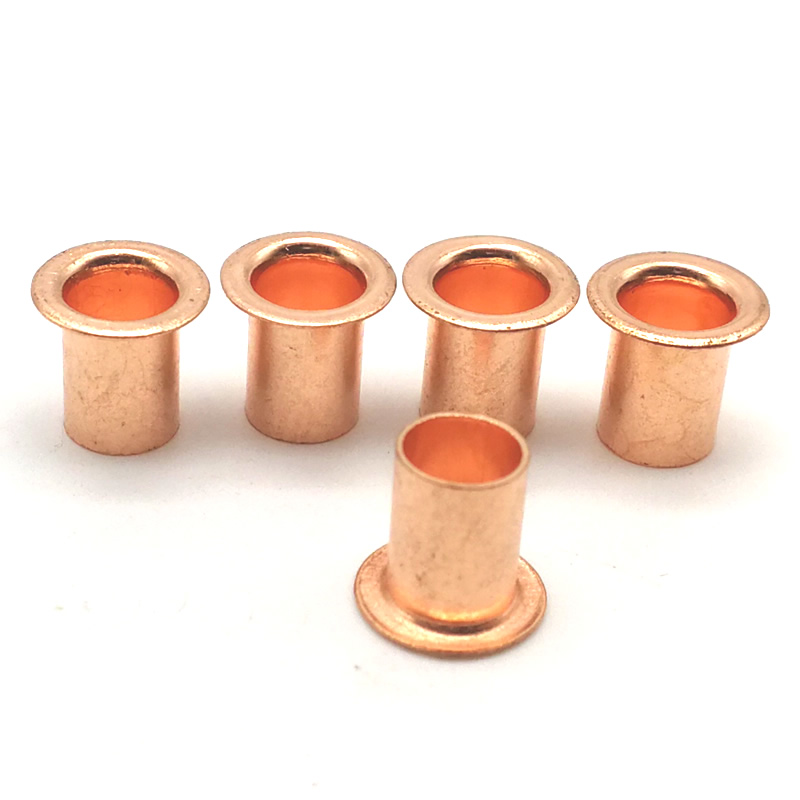
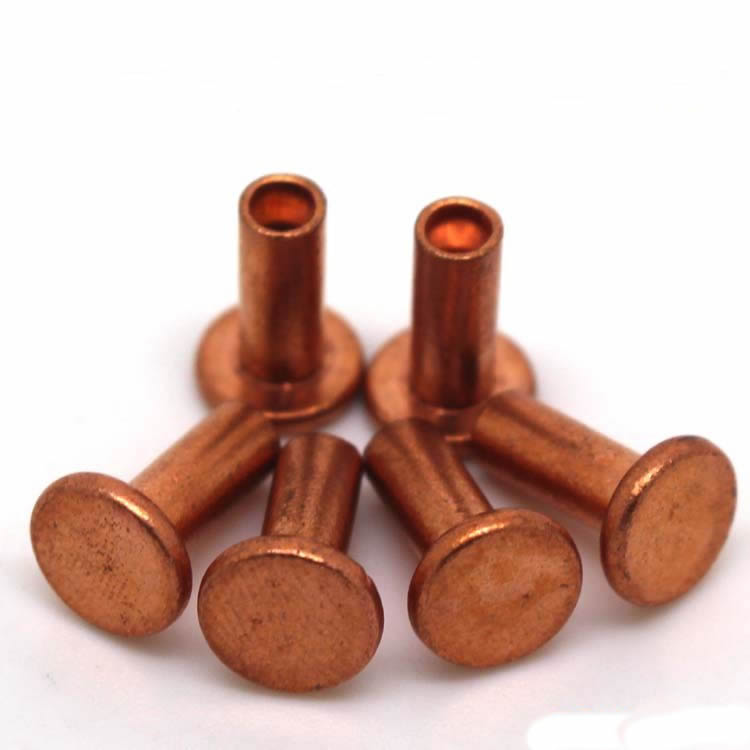
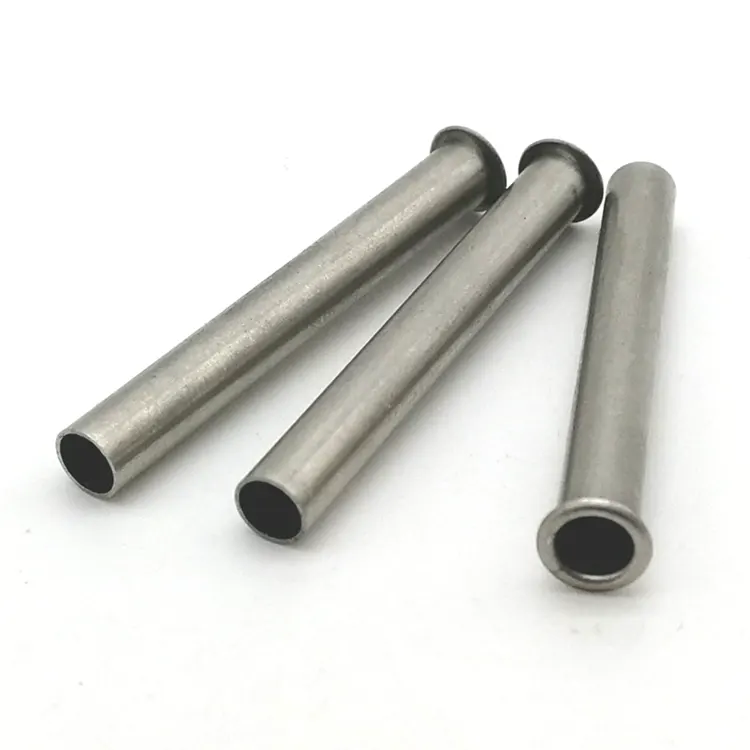
Kupariputken niitit
Nuote Metals toimittaa kupariputkiniittejä – aidosta C11000-kupariputkimassasta valmistettuja onttoja kiinnikkeitä, jotka on leikattu pituuteen ja toisessa päässä on muotoiltu pää. Tunnetaan myös nimellä kupariontot niitit. Ainoa ontto kiinnike, joka tarjoaa 100 % IACS:n sähkönjohtavuuden, 401 W/m·K lämmönjohtavuuden ja luonnolliset antimikrobiset ominaisuudet – kaikki yhdessä komponentissa. Saatavana varren halkaisijana 1,0-10 mm.
Lue lisääLähetä kysely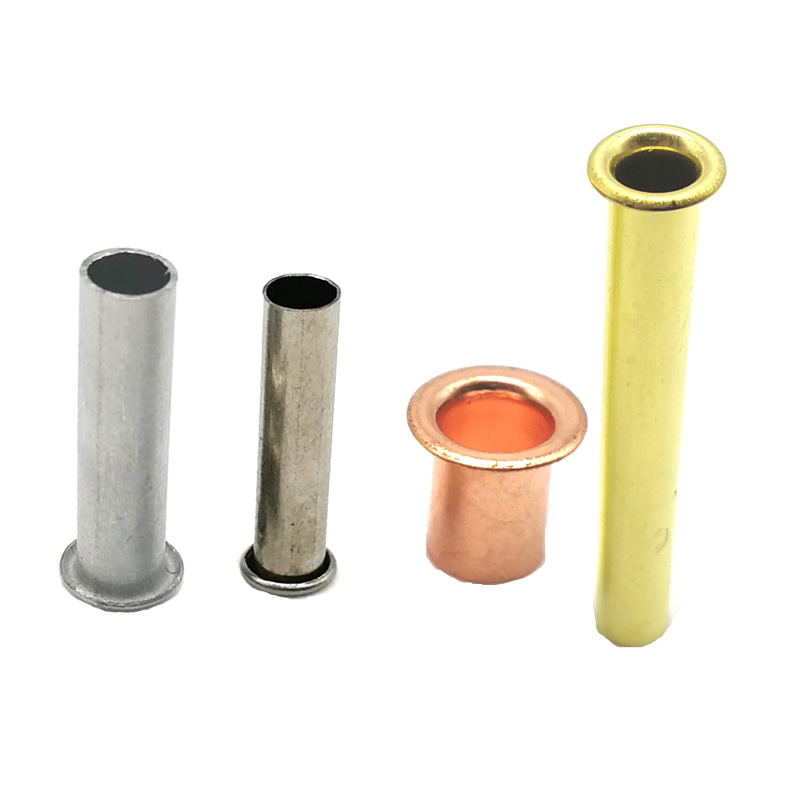
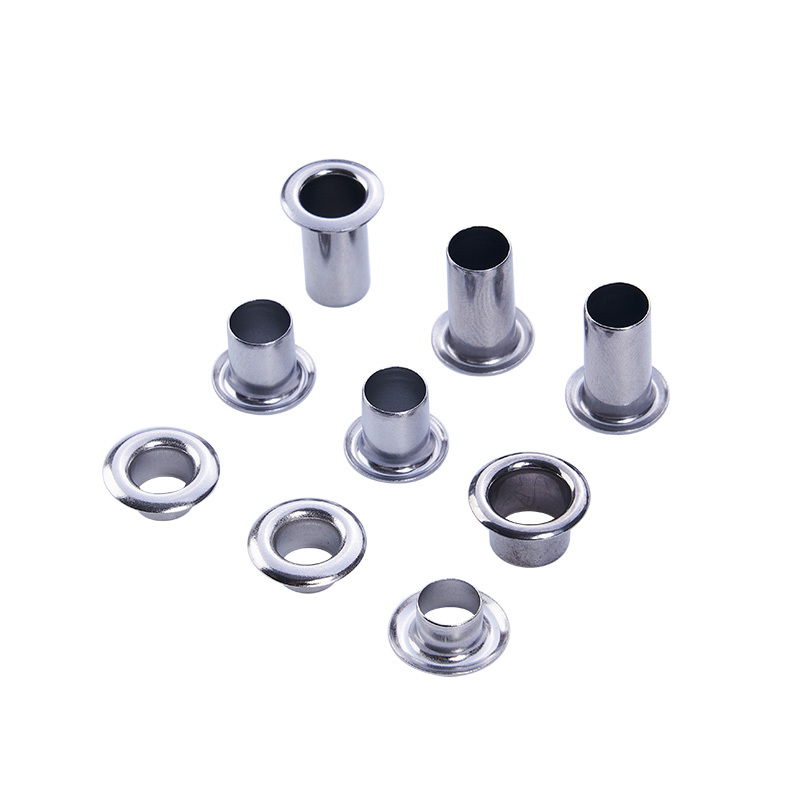
Täysittoiset niitit
Nuote Metals toimittaa täysontot niitit – valikoimamme onttoin niitti, jonka varsi on täysin ontto päästä päähän. 15–20 % kiinteän niitin säätövoimasta ne ovat pienin määritettävissä oleva voima pysyvä kiinnike. Saatavana varren halkaisijaltaan 0,8–10 mm, hiiliteräs, ruostumaton teräs, messinki, kupari ja alumiini. ISO 9001 sertifioitu.
Lue lisääLähetä kysely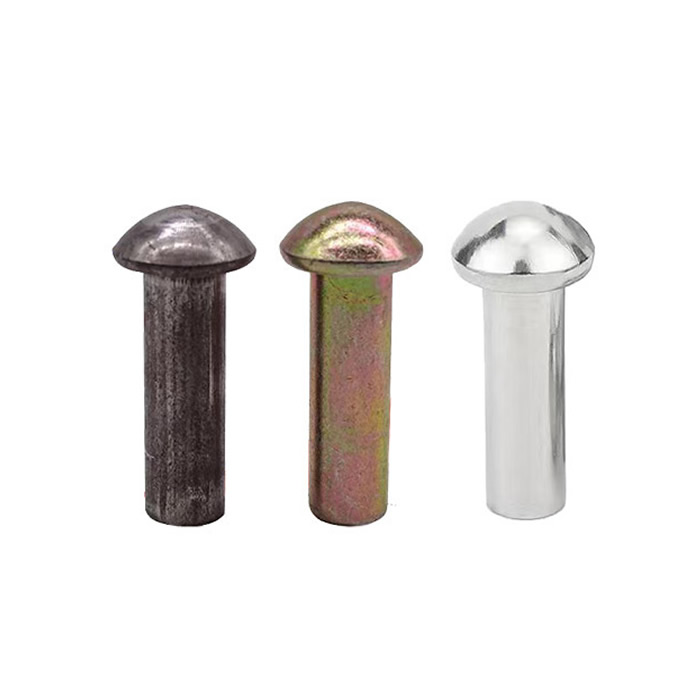
Kiinteät rautaiset niitit
Nuote Metalsin rautaiset kiinteät niitit – kustannustehokkain pysyvä kiinnitysratkaisu, joka tarjoaa maksimaalisen leikkaus- ja vetolujuuden. Saatavana vähähiilisenä teräksenä (1008/Q195), varren halkaisija 1,5–8,0 mm, kuusi päätyyliä, sinkitty tai musta oksidiviimeistely. ISO 9001 sertifioitu. Ilmaisia näytteitä saatavilla. Ota meihin yhteyttä jo tänään.
Lue lisääLähetä kyselyMitä etuja niiteillä on muihin kiinnikkeisiin verrattuna?
1. Asennuksen helppous
Niitit ovat nopeita asentaa ja jopa täysin automatisoituja suuria määriä varten, mikä johtaa yksinkertaiseen ja tehokkaaseen käyttöprosessiin.
2. Yhteyden luotettavuus
Niittausprosessi on standardoitu tiukan laadunvalvonnan kanssa, mikä johtaa erittäin vakaisiin liitoksiin. Silmämääräinen tarkastus mahdollistaa nopean yhteyden laadun tarkistamisen.
3. Tärinä- ja iskunkestävyys
Niitit yhdistyvät muodonmuutoksen tai häiriösovituksen kautta, mikä tarjoaa vahvan puristusvoiman ja erinomaisen tärinänkestävyyden, joka kestää tärinää ja iskuja.
4. Alhaiset kustannukset
Niitit on helppo asentaa ja ne voidaan täysin automatisoida, mikä säästää merkittäviä työvoimakustannuksia.
Mitkä ovat eri materiaaleista valmistettujen niittien edut ja haitat?
Alumiiniset niitit
Edut: Kevyt, vähentää tuotteen kokonaispainoa, alhaiset kustannukset, sopii yleisiin siviilikäyttöön.
Haitat: Alhainen veto- ja leikkauslujuus, ei sovellu erittäin lujille työkappaleille, altis sähkökemialliselle korroosiolle joutuessaan kosketuksiin metallien, kuten ruostumattoman teräksen, kanssa.
Ruostumattomasta teräksestä valmistetut niitit
Edut: Vahva korroosionkestävyys, korkea kovuus, sopii erittäin lujille työkappaleille (kuten laivavarusteille)
Haitat: Korkeammat kustannukset, tyypillisesti kalliimpia kuin saman spesifikaation alumiininiitit.
Messinki- ja kupariniitit
Edut: Erinomainen johtavuus (kuten elektronisten komponenttien liittäminen), hyvä korroosionkestävyys.
Haitat: Korkeammat kustannukset, vaikeampi käsitellä.
Teräsniitit
Edut: Korkea kovuus, korkea liitäntävarmuus ja laaja käyttömahdollisuus.
Haitat: Verrattuna muihin materiaaleihin rautaiset niitit ovat alttiimpia ruostumaan.
Mitkä ovat niittien pääsovellukset?
Niiteillä on laaja käyttöalue pienistä esineistä, kuten saksista, suuriin esineisiin, kuten lentokoneisiin ja laivoihin, sekä erittäin tarkoissa lääketieteellisissä sovelluksissa.
Teollinen valmistus
Niitit ovat käytössä monilla eri teollisuuden aloilla, missä tarvitaan kahden tai useamman materiaalin yhdistämistä.
Elektroniikka
Niitit suojaavat jäähdytyselementtejä ja siruja, vaimentaen sekä tärinää että melua, ja niitä käytetään laajalti elektronisten tuotteiden, kuten tietokoneiden ja matkapuhelimien, jäähdytysjärjestelmissä.
Autoteollisuus
Niittejä käytetään laajalti autojen korien ja alustan osien, kuten ovien ja konepeltien, liittämiseen. Niiden keveys ja korroosionkestävät ominaisuudet tekevät niistä välttämättömän liitosmenetelmän autoteollisuudessa.
Ilmailu
Lentokoneiden valmistuksessa niiteillä yhdistetään erilaisia rungon komponentteja, kuten siivet ja takatasot. Miljoonat niitit luovat erittäin lujia, korroosionkestäviä liitoksia. Alumiini- ja titaaniseosniittejä käytetään usein vastaavien materiaalien komponenttien yhdistämiseen, mikä varmistaa vakauden äärimmäisissä ympäristöissä.
Niitit ovat käytössä kaikkialla. Yllä olevat esimerkit edustavat vain pientä osaa niiden sovelluksista. Näemme niittejä kaikkialla jokapäiväisessä elämässämme, kuten saksissa, kokoontaitettavissa sängyissä ja rattaissa jne. Niitit voidaan räätälöidä eri kokoisiin ja materiaaleihin sovelluksesta riippuen.
Nuote Metals on erikoistunut niittiteollisuuteen yli vuosikymmenen ajan. Tehtaamme sijaitsee Dongguanissa, "World Factory" -kaupungissa, jossa on kehittynyt teollisuus ja kätevät kulkuyhteydet. Näin pystymme reagoimaan nopeasti raaka-aineiden hankinnassa ja pintakäsittelyjen tukemisessa ja vastaamaan asiakkaidemme tarpeisiin saada nopeasti näytteitä ja massatilauksia. Tuotamme 10 miljoonaa niittiä päivittäin ja meillä on erityyppisiä muotteja, joiden avulla voimme valmistaa niin pieniä kuin 0,8 mm ja jopa 10 mm niittejä. Otamme mielellämme tiedustelut ja vierailut.



X
Käytämme evästeitä tarjotaksemme sinulle paremman selauskokemuksen, analysoidaksemme sivuston liikennettä ja mukauttaaksemme sisältöä. Käyttämällä tätä sivustoa hyväksyt evästeiden käytön.
Tietosuojakäytäntö