Erityiset niitit
Tuotteet
- View as
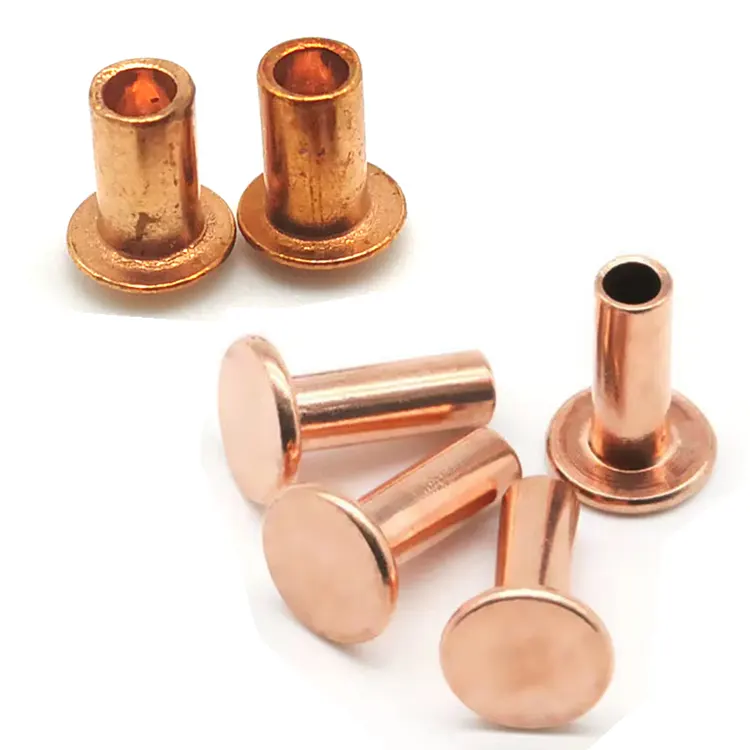
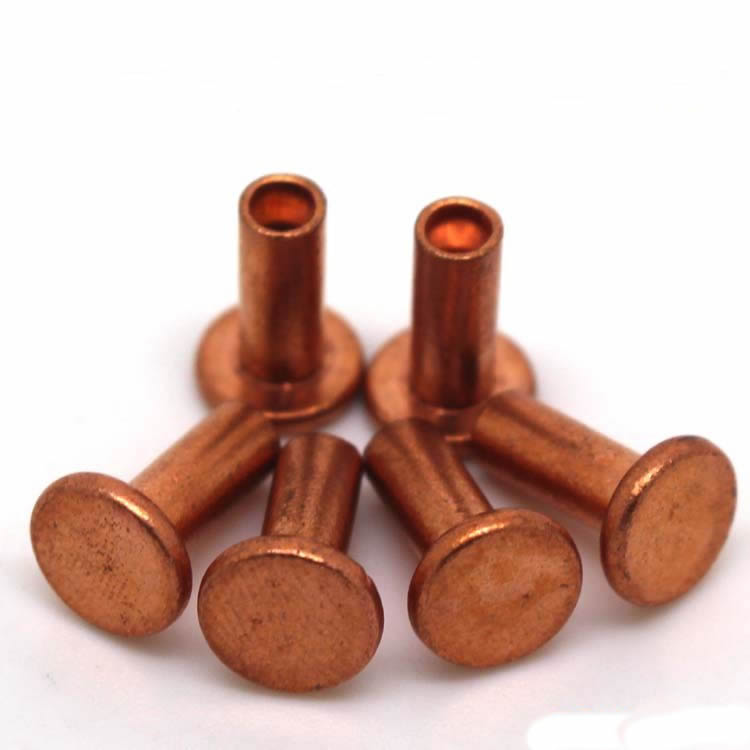
Kupariset niitit
Nuote Metals on ammattimainen niittivalmistaja, joka sijaitsee Dongguanissa, Kiinassa. Valmistamamme kupariniitit on valmistettu C1100-kuparista. Kupariniitit ovat yleisesti käytetty kiinnike. Kuparilla on erinomainen lämmönjohtavuus, joten niitä käytetään laajasti sähkö- ja lämmönpoistosovelluksissa. Lisäksi kupariniitit tarjoavat erinomaisen työstettävyyden ja plastisuuden, minkä ansiosta niitä voidaan valmistaa erimuotoisina ja -kokoisina.
Lue lisääLähetä kysely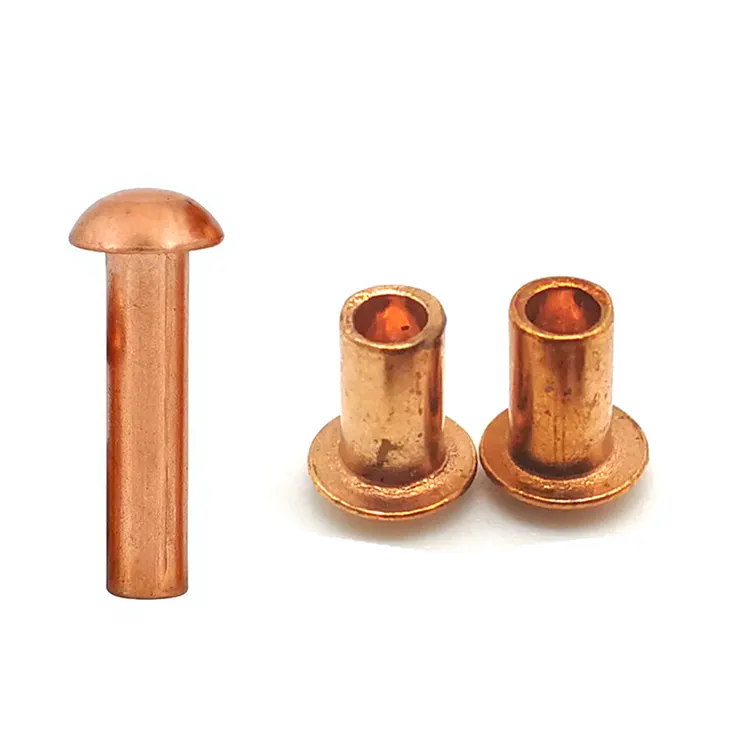
Kupariset pannunpään niitit
Kuparipään niitit ovat erittäin puhtaita ja tarjoavat erinomaisen johtavuuden, joten ne sopivat korkeaa johtavuutta vaativiin sovelluksiin. Nuote Metals on erikoistunut kuparipään niittien valmistukseen. Käytämme korkeakuparisia laatuja, kuten C1100, mutta voimme valmistaa myös räätälöityjä laatuja. Kupariniitimme läpikäyvät erityisen pintakäsittelyn, jotta ne kestävät hapettumista ja kestävät 48 tunnin suolasuihkutestin.
Lue lisääLähetä kysely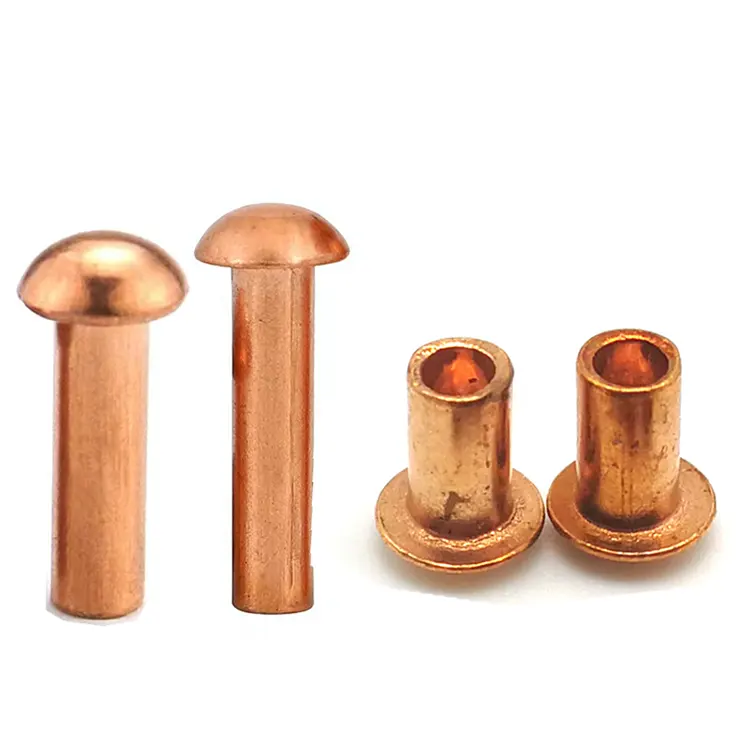
Kupariset sienipään niitit
Kuparisienipään niitit ovat mekaanisia komponentteja, joita käytetään kahden tai useamman materiaalin kiinnittämiseen. Niissä on tyypillisesti sienen muotoinen pää ja kiinteä tai puoliontto sauva toisessa päässä. Asennuksen aikana toinen pää lyötään tai lyötään erikoisneittauskoneella, jolloin se laajenee ja muodostaa toisen pään, joka sitten napsahtaa paikalleen. Nuote Metals on kuparisienipääniittien asiantuntija. Tarjoamme kattavan valikoiman niittierittelyjä ja hyödynnämme yli 40 erikokoista niittauskonetta asiakkaiden tarpeisiin.
Lue lisääLähetä kysely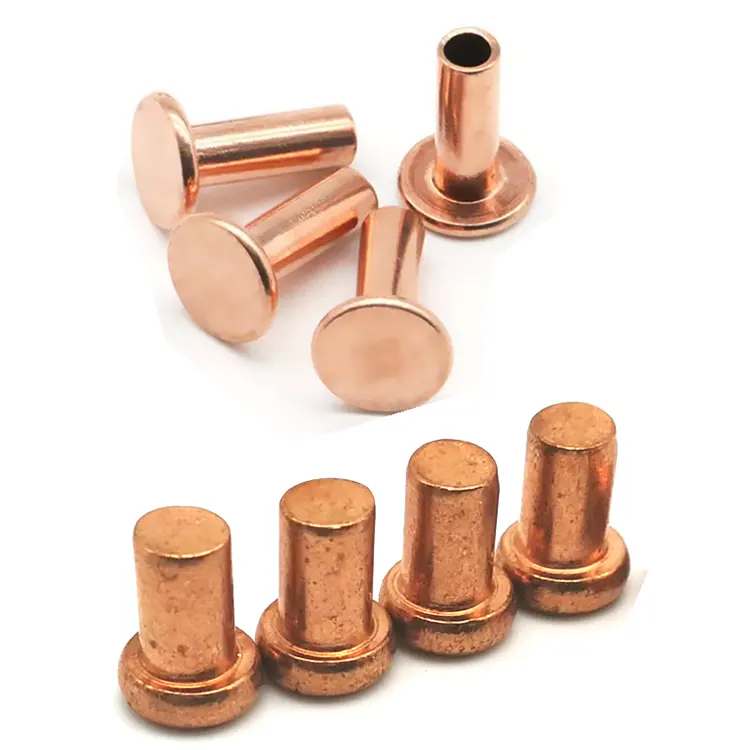
Kupariset litteät niitit
Nuote Metals, joka sijaitsee Dongguanissa, Kiinassa, on ammattimainen niittivalmistaja. Niitimme ovat korkealaatuisia ja toimitustakuulla, mikä ansaitsee niille hyvän maineen kotimaisten ja kansainvälisten asiakkaiden keskuudessa. Kupariset litteäpäiset niitimme on valmistettu korkealaatuisesta kuparista, mikä tarjoaa sileän, herkän pinnan ja vakaan, kiinteän tunteen. Niiden litteä pää ei ainoastaan lisää kosketuspinta-alaa, vaan myös hajottaa tehokkaasti painetta, mikä varmistaa vakaamman liitoksen.
Lue lisääLähetä kysely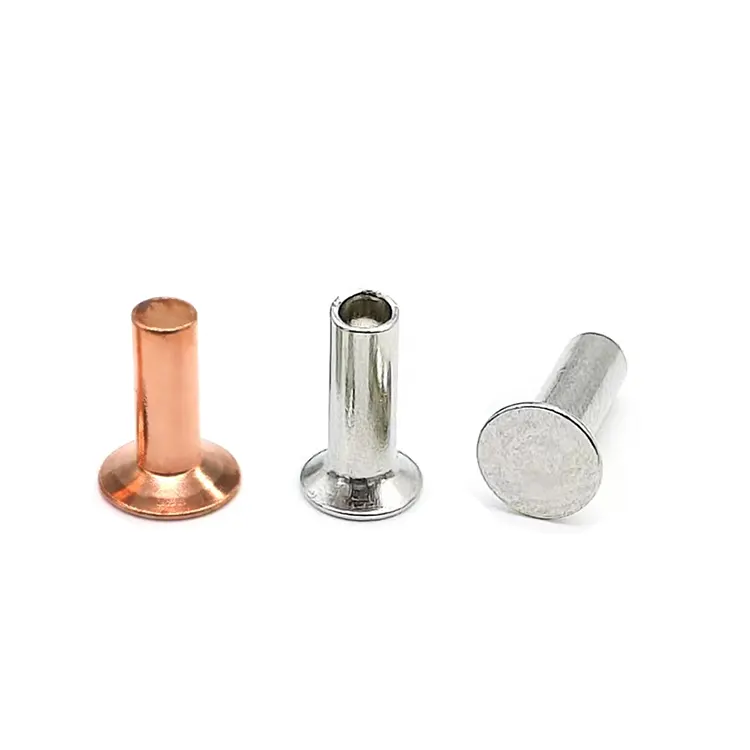
Kupariset upotetut niitit
Nuote Metalsin Kiinassa valmistamat kupariset upotetut niitit ovat yleisiä metallikiinnittimiä, joita käytetään pääasiassa koneenvalmistuksessa, elektroniikkalaitteissa, huonekalujen kokoonpanossa ja muilla teollisuuden aloilla. Perinteisenä metallimateriaalina kuparilla on erinomainen sähkön- ja lämmönjohtavuus sekä korroosionkestävyys, mikä tekee siitä suositun tietyissä sovelluksissa. Upotuspään niitit ovat kiinnikkeitä, jotka on valmistettu kylmäpäällystys- tai kuumataontaprosesseilla. Niiden yksinkertainen rakenne vaatii niitaustyökaluja erikoisliitoksen luomiseksi.
Lue lisääLähetä kysely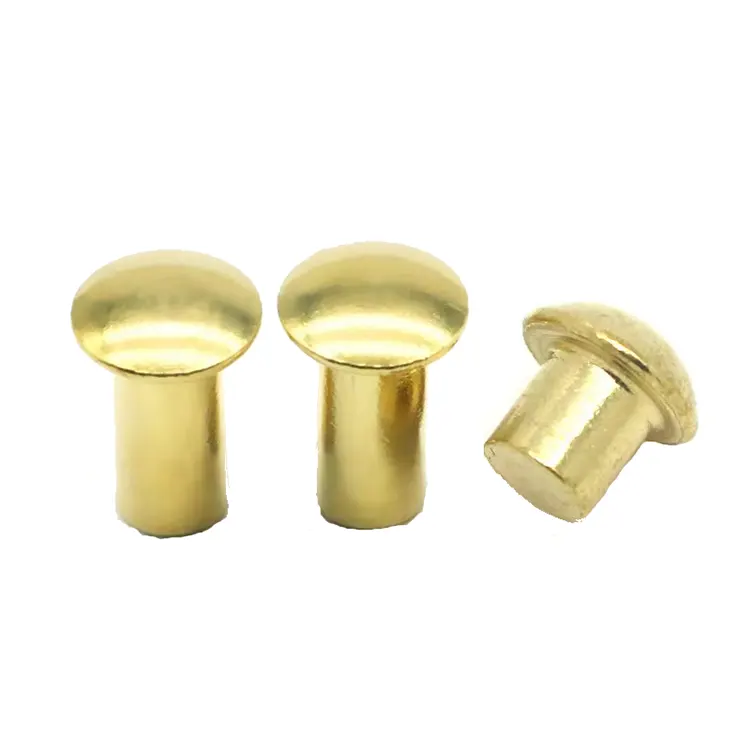
Messinkiset pyöreät niitit
Nuote Metals on erikoistunut messingisten pyöreäpäisten niittien valmistukseen ja myyntiin. Sijaitsemme Dongguanissa, Kiinassa, kaupungissa, jossa on vahva teollinen kehitys. Kupariset puolipulloituneet niitimme koostuvat messingiseoksesta tehdystä varresta ja korkista. Puoliksi pullistuva pään rakenne takaa tasaisen paineen jakautumisen ja estää liitospinnan vaurioitumisen. Niille on ominaista yhdistetty sähkönjohtavuus ja korroosionkestävyys, yksinkertainen rakenne, helppo asennus, korkea luotettavuus ja pitkä käyttöikä.
Lue lisääLähetä kyselyErikoisniittien valmistusprosessi
Erikoisniittien valmistukseen liittyy useita linkkejä, jotka sisältävät pääasiassa:
1.Materiaalivalinta:Valitse sopivat metalli- tai seosmateriaalit käyttöympäristön mukaan.
2.Kylmä suunta tai kuuma suunta:Muodosta niitin perusmuoto metalliaihioon painekäsittelyllä.
3.Sorvaus tai jyrsintä:Hienokäsittele yksityiskohdat, kuten niitin pää ja varsi mittatarkkuuden varmistamiseksi.
4.Pintakäsittely:Kuten galvanointi, nikkelipinnoitus, anodisointi jne. korroosionkestävyyden tai estetiikan parantamiseksi.
Erikoisniittien edut ja rajoitukset
(1) Edut: Ne voivat täyttää erityistarpeet, parantaa kokoonpanon tehokkuutta ja liitäntöjen luotettavuutta ja soveltuvat monimutkaisiin tai vaativiin sovellusskenaarioihin.
(2) Rajoitukset: Koska ne ovat räätälöityjä tuotteita, tuotantokustannukset ovat korkeat, toimitussykli on suhteellisen pitkä ja asiakkaiden on toimitettava yksityiskohtaiset tekniset parametrit.
Kuinka valita sopivat erikoisniitit?
(1)Selvitä tarpeet:Määritä tärkeimmät parametrit, kuten niitin käyttöympäristö, jännitysolosuhteet ja korroosionkestävyysvaatimukset.
(2)Materiaalin yhteensopivuus:Valitse sopiva materiaali todellisten tarpeiden perusteella välttääksesi ylisuunnittelun, joka johtaa kasvaviin kustannuksiin.
(3)Kommunikoi toimittajien kanssa:Anna yksityiskohtaiset tekniset piirustukset tai näytteet varmistaaksesi, että valmistetut erikoisniitit vastaavat odotuksia.
Mitkä ovat erikoisniittien pääsovellukset?
(1)Ilmailu: Lentokoneilla, raketteilla ja muilla laitteilla on erittäin korkeat vaatimukset kiinnikkeiden painolle, lujuudelle ja korkeiden lämpötilojen kestävyydelle. Erikoisniittejä voidaan optimoida erityistarpeiden mukaan.
(2)Auton valmistus:Tietyt erikoismallit tai korkean suorituskyvyn ajoneuvot saattavat vaatia erikoisniittejä kevyiden tai vahvojen liitosten tarpeisiin.
(3)Elektroniset laitteet:Tarkkuusinstrumentit tai pienet elektroniset laitteet saattavat vaatia mikro-erikoisniittejä liitoksen vakauden ja tiiviyden varmistamiseksi.
(4)Rakennusala:Joissakin erityisrakenteisissa rakennuksissa tai sisustusprojekteissa voidaan käyttää erityisiä niittejä tiettyjen asennusvaatimusten täyttämiseksi.
Erikoisniittien markkinatilanne
Teollisuusteknologian kehittyessä yhä useammat teollisuudenalat ovat alkaneet käyttää erikoisniittejä tuotesuunnittelun optimointiin. Tällä hetkellä erikoisniittien valmistajat ovat keskittyneet pääasiassa Jangtse-joen suiston ja Helmijoen suistoalueille Kiinassa ja voivat tarjota erilaisia räätälöityjä palveluita. Special-niittien korkeasta yksikköhinnasta johtuen sen markkinakoko on suhteellisen pieni, mutta huippuvalmistusalan kysyntä jatkaa kasvuaan.
Tulevat kehitystrendit
(1)Kevyt muotoilu: Energiansäästö- ja ympäristönsuojeluvaatimusten parantuessa kevyistä materiaaleista valmistetut erikoisniitit ovat suositumpia.
(2)Älykäs tuotanto: Automaattiset laitteet ja digitaalinen hallinta parantavat edelleen Special-niittien tuotannon tehokkuutta ja laadun vakautta.
(3)Laajempi sovellus: Nousevat teollisuudenalat, kuten uusi energia ja robotiikka, voivat edistää erikoisniittien kysynnän kasvua.
Yhteenvetona voidaan todeta, että erikoisniitit ovat pitkälle räätälöityjä kiinnikkeitä, jotka voivat täyttää erityistarpeet, joita tavalliset niitit eivät voi täyttää. Vaikka sen tuotantokustannukset ovat suhteellisen korkeat, sillä on korvaamaton rooli ilmailu-, auto- ja elektroniikkateollisuudessa. Tulevaisuudessa, valmistustekniikan kehittyessä, Special-niittien käyttöalueen odotetaan edelleen laajentuvan.



X
Käytämme evästeitä tarjotaksemme sinulle paremman selauskokemuksen, analysoidaksemme sivuston liikennettä ja mukauttaaksemme sisältöä. Käyttämällä tätä sivustoa hyväksyt evästeiden käytön.
Tietosuojakäytäntö